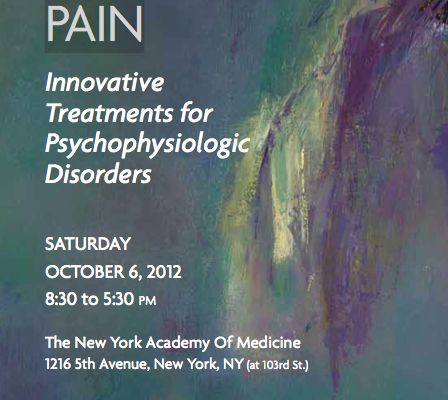
Did you know that there are millions of people who are suffering from pain and other symptoms brought on by disorders that may appear to be purely physical but originate through unconscious emotions? A few days ago, I had the pleasure of attending the conference: When Stress Causes Pain: Innovative Treatments for Psychophysiologic Disorders that was […]
Shame Resiliency 101 a la Brené Brown
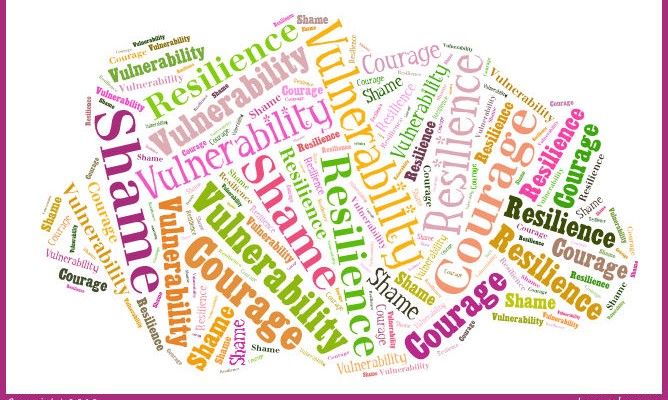
Have you had a chance to listen to Brené Brown’s powerful talk about shame? If not, I highly recommend you listen to her TED talk below. And if you have, you may just want to listen to it again… It’s that good ! For those of you who are unfamiliar with Brené Brown. Ph.D., LMSW, […]
50 Shades of Secrets
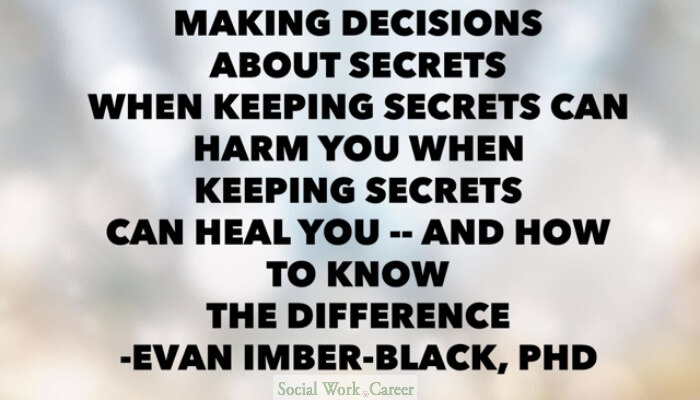
50 Shades of Secrets To tell or not to tell, And if to tell, how to tell? Secrets can be such a burden… For example, one father shares his prognosis with his son, Forging a closer bond between the two of them, But keeps his wife and daughter out of the loop. Son is left […]
What Every Social Worker Needs to Know About Financial Self-Care
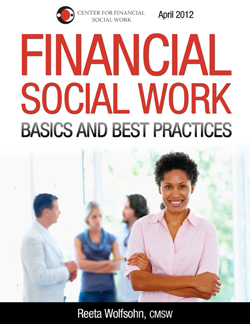
What is financial self-care? Have you heard of the term Financial Social Work and wondered what it was referring to? Today’s interview is with Reeta Wolfsohn, CMSW, the developer of Financial Social Work and founder of the Center of Financial Social Work. In essence, Financial Social Work is an innovative financial self-care toolkit that could enable both you and […]
Free Webinars for Mental Health Professionals

Are you a social worker or other mental health professional who is interested in keeping up-to-date with the latest research on mental health? Listening and/or participating in various webinars, webcasts or podcasts is one way of doing so. Webinars (or webcasts) are essentially presentations given live online, via the web and teleconference. Webcasts are often […]
