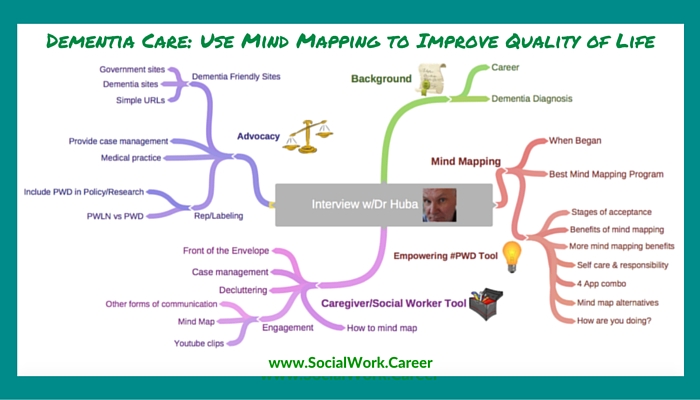
21 Dementia Tips for Caregivers and Social Workers Do you have a relative or clients who are wrestling with dementia, and would like to find a way to either help or better connect with them? Thanks to the generosity of Dr. George Huba, this post will provide you with 21 invaluable tips: 7 Ways to better cope with cognitive […]
Prison Social Work: Does Sex Offender Treatment Work?
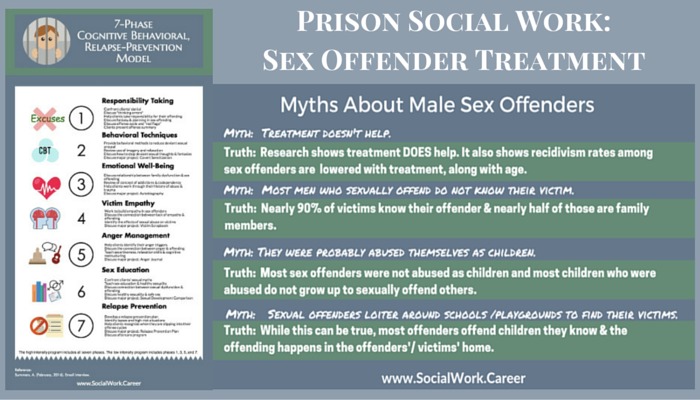
Does Sex Offender Treatment Work? In a nutshell, sex offender treatment does help, but studies show varying results due to underreporting of actual reoffending, difficulties in measurement of recidivism and the variation in the ways recidivism rates are calculated. Recidivism is defined as the reversion to criminal behavior by an individual who was previously convicted of a criminal offense. Observed […]
How to Promote Community Resilience Outside Therapy
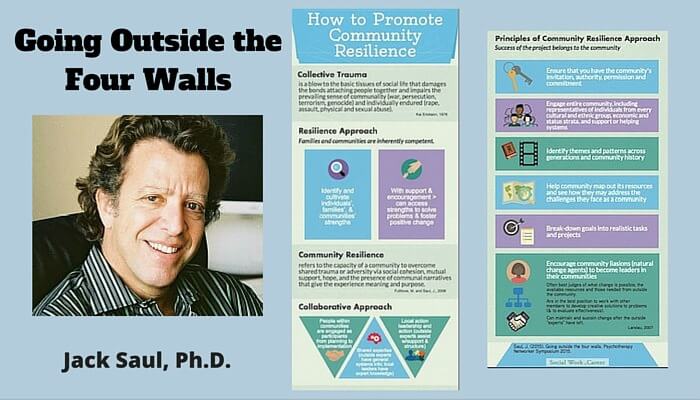
How to Help Communities Recover From Disasters Have you wanted to find out how you may employ your clinical skills to help individuals/the community outside of the traditional setting? As per the inspiring talk “Outside the Four Walls,” Jack Saul, PhD gave at the 2015 Psychotherapy Networker Symposium, there are many different ways that mental health professionals and social […]
Race Matters: How to Talk Effectively About Race
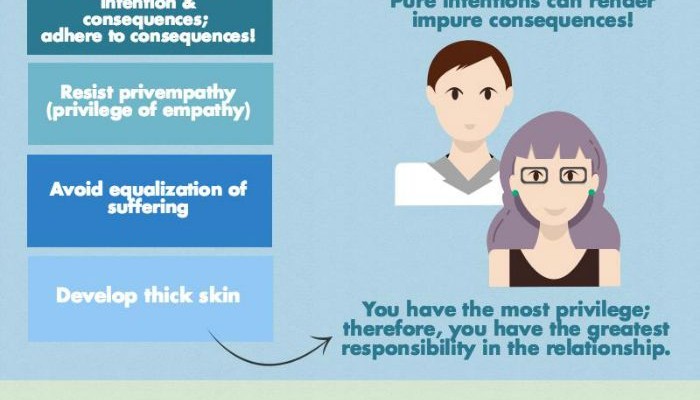
Have you wanted to be able to have a conversation about race but not really known how? Or have you wanted to help your clients feel comfortable in talking to you about race? While many of us recognize that racism is a big problem in the United States, we tend to be uncomfortable discussing race. This is because […]
Play Therapy: Healing Through Play
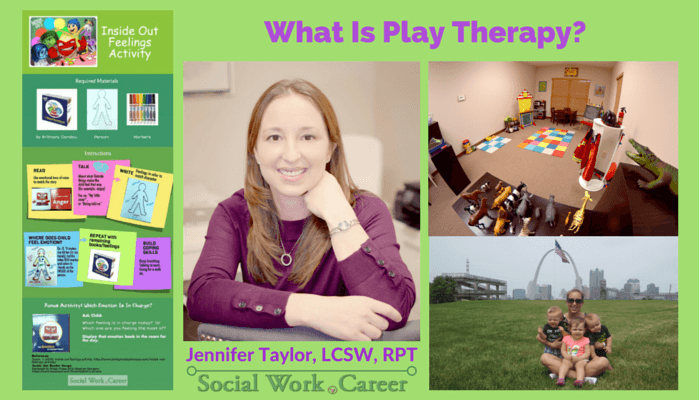
Comprehensive play therapy interview with Jennifer Taylor, Licensed Clinical Social Worker (LCSW) and Registered Play Therapist (RPT) specializing in individual, group, and family therapy with children. Learn what play therapy is—a developmentally sensitive mental health counseling approach that allows children to use a specially designed playroom to facilitate expression of emotions and feelings. Discover how play therapy helps children who are not yet ready for traditional talk therapy designed for adults. Jennifer explains child-centered play therapy where children choose what they’d like to do and the therapist follows the child’s lead, with the relationship valued over specific techniques. Includes real examples of how play helps children process trauma like witnessing violence, an Inside Out Feelings Activity video and infographic for ages 5-8, assessment tools (ASQ-3, MCHAT, CATS, PHQ-9), recommended play therapy room equipment (expressive, aggressive, real-life toys, sandbox), essential books (The Art of the Relationship by Gary Landreth, The Boy Who Was Raised as a Dog by Bruce Perry), and 9 practical tips for mental health professionals interested in becoming play therapists including joining the Association for Play Therapy, getting quality training and supervision, and trusting the process.
