
Have you felt torn between answer choices on social work licensing exam questions? LMSW Exam Acronyms That Help You Choose the Right Answer There are two powerful acronyms that can guide you to the correct answer. These memory tools have helped thousands of social workers pass their LMSW exams on the first try. Why These […]
10 Essential Social Work Skills Every Practitioner Must Have
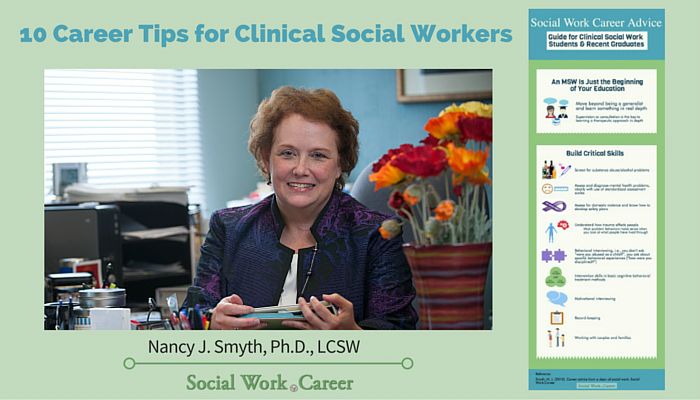
10 essential clinical social work skills infographic from Dean Nancy Smyth: substance abuse screening, mental health assessment, domestic violence safety planning, trauma understanding, dissociation assessment, behavioral interviewing, CBT interventions, motivational interviewing, record-keeping, and couples/family skills. The MSW is just the beginning; develop these competencies through specialized training.
Private Practice Success: 3 Proven Strategies From an Expert
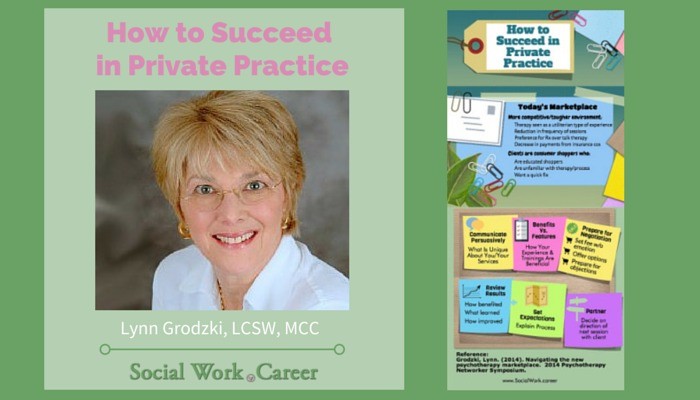
Private practice success strategies from Lynn Grodzki, LCSW, MCC, based on her talk “Navigating the New Psychotherapy Marketplace” at the 2014 Psychotherapy Networker Symposium. Learn how to succeed in today’s competitive mental health marketplace where therapists face lower insurance reimbursements (mental health outlays reduced from 15% to 1% since 2000), fewer sessions per client, preference for medication over talk therapy despite evidence showing talk therapy equals or supersedes medication long-term, and utilitarian perceptions of therapy. Grodzki recommends adapting business strategies that work with educated consumer shoppers. Key areas covered: Marketing is critical (unique selling proposition, benefits vs features, preparation for negotiation), communicate persuasively (prepare for first contact without disadvantaging yourself, structure 15-30 minute consultations to give prospective clients experience of boundaries and your therapeutic style), and adapt working style (review results every session tracking goals and progress, set expectations using metaphors, partner with clients session-by-session). Includes detailed infographic summarizing main takeaways and guidance on fee negotiation, handling objections like “I need someone who takes my insurance,” and creating successful first contacts.
My 3 Words for 2015: Clear, Reach & Embrace!

My Three Words for 2015 Have you come up with some new goals or resolutions for the new year? If yes, you may want to consider putting them in writing. Writing down your goals will significantly increase the likelihood of your achieving them. As Brian Tracy eloquently states, “Goals in writing are dreams with deadlines.” […]
Can Personal Narratives Help You Be a Better Social Worker?

Narrating Social Work Through Autoethnography – Book Review Have you been looking for a good book to help you gain a deeper understanding of some topics particularly relevant to social work such as cultural competency, end of life, transformative change, and more? If yes, you are likely to appreciate Narrating Social Work Through Autoethnography, edited […]
