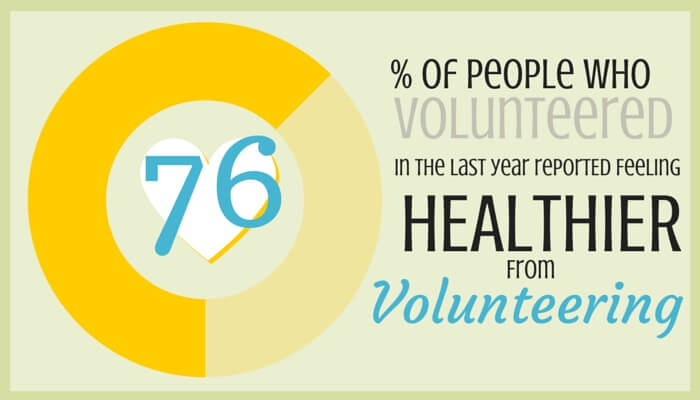
Volunteering is alive and well in the United States. According to the U.S. Bureau of Labor Statistics, an estimated 62 million people in the U.S. volunteered from September 2013 to September 2014. Doing good for others not only helps people in need but also the person donating his/her time! As per United Health Group‘s 2013 […]
The Neurobiology of Trauma: Core Principles of Trauma-Informed Care [3 of 3]
How does trauma impact the brain and body, and what can you do to counteract its effects? Understanding the neurobiology of trauma is essential for effective treatment. Trauma can change your brain structure and alter your cells—when your body cannot process trauma, it gets expressed physically. This post explores the neurobiology of trauma, covering the four brain areas affected (brain stem, hippocampus, amygdala, frontal cortex), two stress response systems (hyperarousal and dissociation), and emotional dysregulation. Discover the neurobiology of trauma behind “neurons that fire together, wire together” and learn practical techniques to help clients repair their brains: strengthening family connections, building emotional regulation through breathwork and mindfulness, and understanding how naming emotions disrupts emotional responses in the brain. Part 3 of trauma-informed care series. See Part 1 for core principles and Part 2 for effective trauma treatments.
What Is Hoarding?
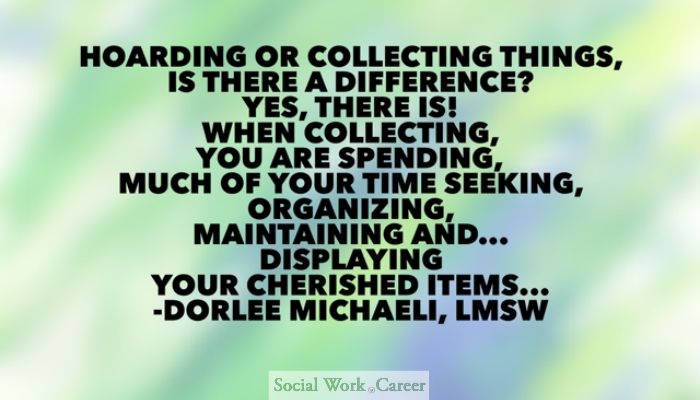
What’s the Difference Between Hoarding and Collecting? Hoarding or collecting things, Is there a difference? Yes, there is! When collecting, you are spending, Much of your time seeking, Organizing, maintaining and… Displaying your cherished items, However, when hoarding, You are just accumulating, Quantities of things that have, Little or no value and, You tend to […]
Core Principles of Trauma-Informed Care: Key Learnings [1 of 3]
What is trauma-informed care and why do we need it? With 90% of behavioral health clients having experienced trauma, understanding trauma-informed care principles is essential for all helping professionals. This post explores the core principles (safety, trustworthiness, choice, collaboration, empowerment) and 7 domains of trauma-informed care based on NYU’s conference. Includes powerful insights from trauma survivor and therapist Nelba Marquez-Greene, who shares what actually helps trauma survivors—from practical support to avoiding voyeuristic curiosity. Part 1 of a 3-part series covering trauma-informed care essentials, evidence-based practices, and neurobiology.
My Three Words for 2014 : Daring, Connection & Self-Care

It is the beginning of the new year and as per Dr. Seuss in the book Oh, The Places You’ll Go!, states: “You have brains in your head. You have feet in your shoes. You can steer yourself any direction you choose.” And this is so true… Furthermore, when/if you pick some goals or objectives […]
