How does trauma impact the brain and body, and what can you do to counteract its effects? Understanding the neurobiology of trauma is essential for effective treatment. Trauma can change your brain structure and alter your cells—when your body cannot process trauma, it gets expressed physically. This post explores the neurobiology of trauma, covering the four brain areas affected (brain stem, hippocampus, amygdala, frontal cortex), two stress response systems (hyperarousal and dissociation), and emotional dysregulation. Discover the neurobiology of trauma behind “neurons that fire together, wire together” and learn practical techniques to help clients repair their brains: strengthening family connections, building emotional regulation through breathwork and mindfulness, and understanding how naming emotions disrupts emotional responses in the brain. Part 3 of trauma-informed care series. See Part 1 for core principles and Part 2 for effective trauma treatments.
Core Principles of Trauma-Informed Care: Key Learnings [2 of 3]
Looking for effective trauma treatments? This comprehensive guide explores evidence-based approaches including Narrative Exposure Therapy (NET), EMDR, yoga, drama therapy, and movement therapy. Learn the complete NET process where clients construct a chronological life narrative using flowers for positive events and stones for trauma. Discover Psychological First Aid principles (safety, efficacy, calmness, connectedness, hope) and a simple grounding exercise you can use immediately. Part 2 of a 3-part series on trauma-informed care from NYU’s conference covers effective trauma treatments proven to help clients heal. See Part 1 for core principles of trauma-informed care and Part 3 for neurobiology.
Core Principles of Trauma-Informed Care: Key Learnings [1 of 3]
What is trauma-informed care and why do we need it? With 90% of behavioral health clients having experienced trauma, understanding trauma-informed care principles is essential for all helping professionals. This post explores the core principles (safety, trustworthiness, choice, collaboration, empowerment) and 7 domains of trauma-informed care based on NYU’s conference. Includes powerful insights from trauma survivor and therapist Nelba Marquez-Greene, who shares what actually helps trauma survivors—from practical support to avoiding voyeuristic curiosity. Part 1 of a 3-part series covering trauma-informed care essentials, evidence-based practices, and neurobiology.
Dialectical Behavior Therapy (DBT): Acceptance and Change
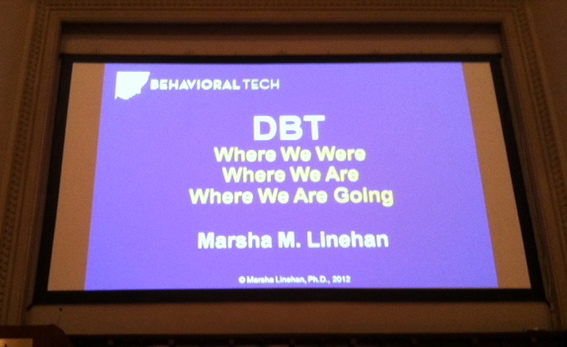
Marsha Linehan had a wonderful half-day training on dialectical behavior therapy (DBT) “Where We Were, Where We Are, and Where We Are Going.” Below are some key take-aways: * Dialectical Behavior Therapy (DBT) is a treatment that was developed by Marsha Linehan in order to help people with high suicide risk and multiple suicide attempts […]
