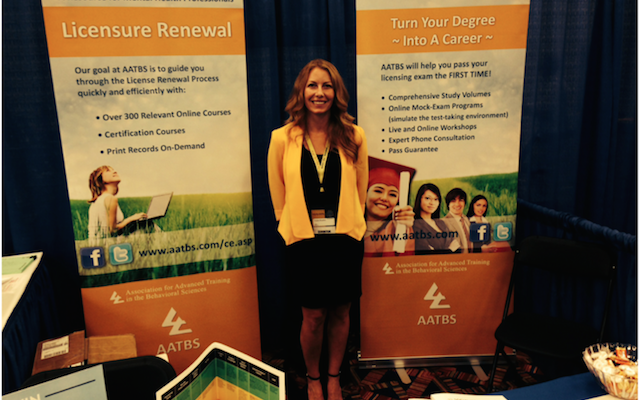
Virginia Beaufort, LMHC, Ph.D. Does one social work licensure exam preparation firm differ from another? Or are they all basically the same? This week, we have an interview with Virginia Beaufort, LMHC, Ph.D., the Director of Academic Affairs for the Association for Advanced Training in the Behavioral Sciences (AATBS). This is the fifth interview in Social Work Career Development’s […]
Family/Couples Therapy – Improving Relationships
Family and/or Couples’ Therapy Have you wanted to know what a family/couples’ therapist does and/or what you could do to improve the communications in your family unit? These are some of the questions explored in an interview with Laurel Wiig, Ph.D., MFT., who is a Licensed Marriage and Family Therapist. Laurel has advanced clinical training […]
40 Interview Questions Every Social Worker Needs to Know
Would you like to know what types of social work interview questions to expect or prepare for before heading out to an interview for a prospective new social work position? An earlier post had provided you with 20 basic social work interview questions every social worker needs to know for the interview preparation process. However, since then […]
Hoarding: Causes, Hazards and Strategies
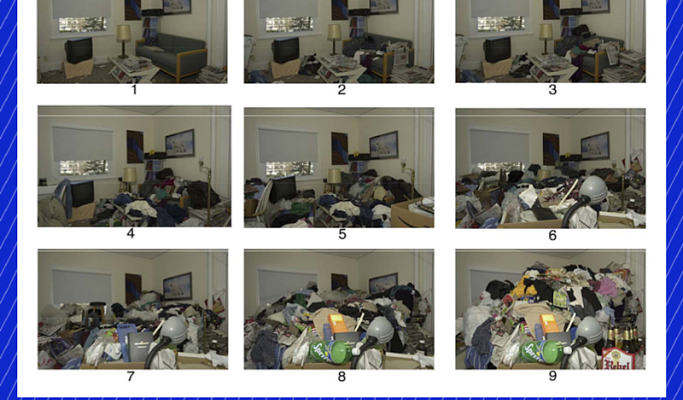
Got a Client with a Hoarding Problem? Assess for Safety! How do you assess whether an individual has a hoarding problem? What questions do you ask to ascertain whether the person’s clutter is a safety/health concern? Individuals with compulsive hoarding disorder typically lack awareness of the severity of their behavior and may even deny that they […]
LEAP’s Top 10 Tips for the Social Work Exam
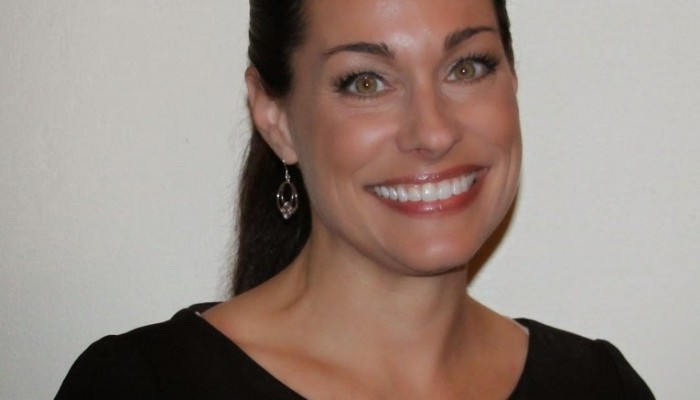
Kym Meyer, M.B.A., C.B.E.P Have you wondered how one social work licensure exam preparation provider differs from another? This week, we have an interview with Kym Meyer, M.B.A., C.B.E.P, a former NASW state executive director and NASW Executive Director of the Year, and one of the founders of LEAP, a top social work licensure exam preparation firm. This […]
