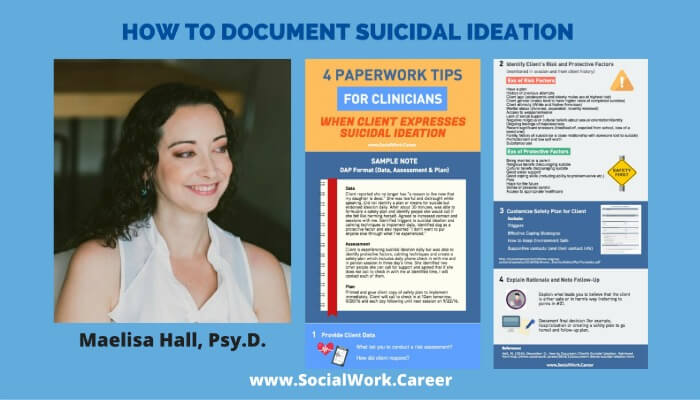
When a client expresses suicidal ideation, documentation becomes crucial but also anxiety-inducing for many clinicians. Learn the four key components of effective suicide risk assessment documentation: providing clear client data with exact quotes, identifying risk and protective factors, creating safety plans (not contracts), and explaining your clinical rationale. This guide includes a sample progress note using the DAP format and best practices for follow-up documentation. Whether you’re a new clinician or experienced practitioner, these principles will help you create ethically sound documentation that protects both you and your clients while improving clinical practice.
How to Help Victims of Intimate Partner Violence
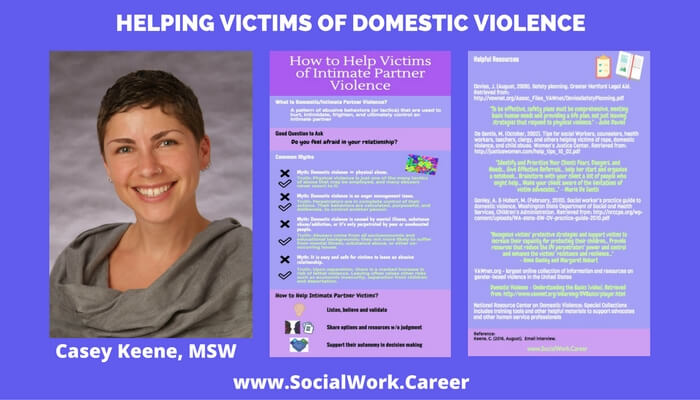
Expert guidance on how to help victims of domestic violence from Casey Keene, Director at National Resource Center on Domestic Violence. Learn why many victims don’t identify as abused and the best screening question: “Do you feel afraid in your relationship?” Key myths debunked: domestic violence isn’t always physical, it’s not an anger issue (perpetrators are in complete control), and leaving is the most dangerous time. Three ways to help: (1) listen, believe, validate, (2) share resources without judgment, (3) support autonomy. Casey’s top tip: Believe her/him/them. Includes five best resources including VAWnet.org and free training module.
Menopause and Pleasure

As you now know from Menopause – Is it the Beginning of the End?, menopause and pleasure can go hand-in-hand: it can be a very positive and exciting time in a woman’s life! According to Dr Northrup, there are 7 critical keys that need to be “unlocked” for a woman to achieve her full pleasure […]
