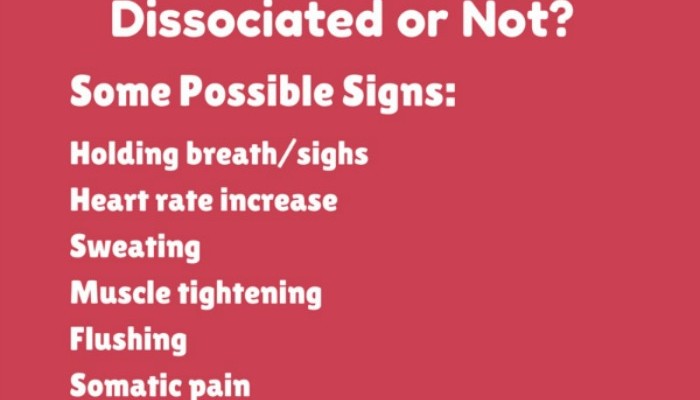
Triggered in Therapy? 4 Resources To Cope & Be Effective Are you a social worker or other mental health professional who occasionally experiences some reactions or countertransference when working with a particular client? Would you like to have some tools to help you avoid getting triggered while in session? Lisa Schwarz, M.Ed. and Ron Schwenkler […]
The Neurobiology of Trauma: Core Principles of Trauma-Informed Care [3 of 3]
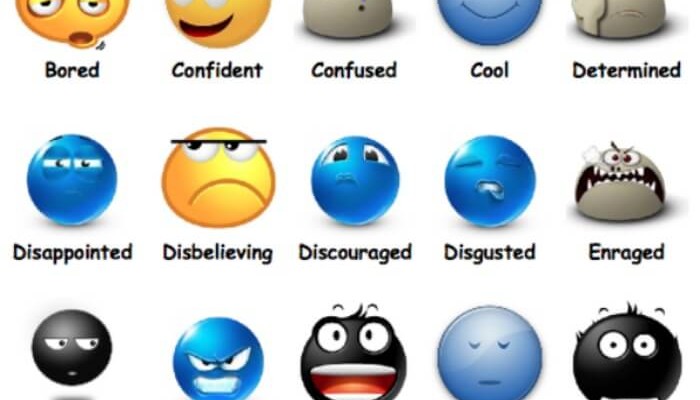
How does trauma impact the brain and body, and what can you do to counteract its effects? Understanding the neurobiology of trauma is essential for effective treatment. Trauma can change your brain structure and alter your cells—when your body cannot process trauma, it gets expressed physically. This post explores the neurobiology of trauma, covering the four brain areas affected (brain stem, hippocampus, amygdala, frontal cortex), two stress response systems (hyperarousal and dissociation), and emotional dysregulation. Discover the neurobiology of trauma behind “neurons that fire together, wire together” and learn practical techniques to help clients repair their brains: strengthening family connections, building emotional regulation through breathwork and mindfulness, and understanding how naming emotions disrupts emotional responses in the brain. Part 3 of trauma-informed care series. See Part 1 for core principles and Part 2 for effective trauma treatments.
The DSM-5 and Problem Gambling

How to Use DSM-5 to Diagnose Individuals with Problem Gambling Do you work with individuals who have a gambling or other type of addiction? Would you like to know how the DSM-5 has impacted addiction definition and treatment? This post will provide you with four excellent webinars (and two presentations) to get you up-to speed […]
A Day in the Life of a CPS Social Worker

Have you wondered what a typical day of work is like for a social worker in Child Protective Services (CPS)? Thanks to Brock Venture*, who has been in the field for 15 years, and kindly agreed to be interviewed, this post will provide you with an idea of what social work in child welfare is […]
Core Principles of Trauma-Informed Care: Key Learnings [2 of 3]
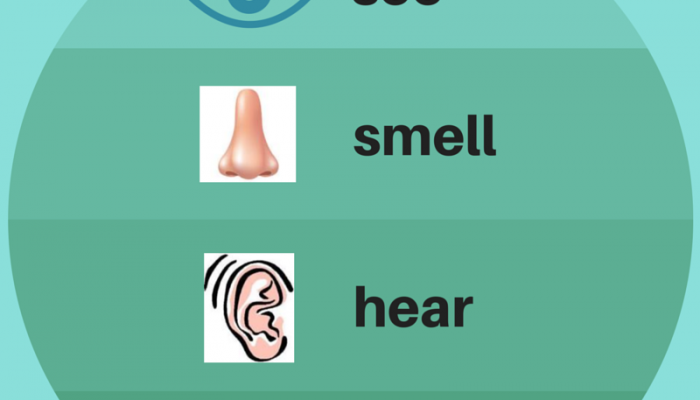
Looking for effective trauma treatments? This comprehensive guide explores evidence-based approaches including Narrative Exposure Therapy (NET), EMDR, yoga, drama therapy, and movement therapy. Learn the complete NET process where clients construct a chronological life narrative using flowers for positive events and stones for trauma. Discover Psychological First Aid principles (safety, efficacy, calmness, connectedness, hope) and a simple grounding exercise you can use immediately. Part 2 of a 3-part series on trauma-informed care from NYU’s conference covers effective trauma treatments proven to help clients heal. See Part 1 for core principles of trauma-informed care and Part 3 for neurobiology.
