Got DSM-5? Watch These Free Webinars! Are you having trouble wrapping your head around all the changes from DSM IV-TR to DSM V? No worries. This post will provide you with some excellent handouts, presentations and webinar recordings to help you feel on top of this material. After many years of negotiation and controversy, the […]
Social Worker Living Successfully with Dissociative Identity Disorder

I’m Here by Nancy-Lee Mauger You Can Have Dissociative Identity Disorder and Thrive ! Are you shocked to hear that a mental health professional with Dissociative Identity Disorder (DID) is able to lead a productive life? You need not be. Many individuals with DID live healthy and fulfilling lives (ISSTD, n.d.). However, as a result of […]
Core Principles of Trauma-Informed Care: Key Learnings [1 of 3]
What is trauma-informed care and why do we need it? With 90% of behavioral health clients having experienced trauma, understanding trauma-informed care principles is essential for all helping professionals. This post explores the core principles (safety, trustworthiness, choice, collaboration, empowerment) and 7 domains of trauma-informed care based on NYU’s conference. Includes powerful insights from trauma survivor and therapist Nelba Marquez-Greene, who shares what actually helps trauma survivors—from practical support to avoiding voyeuristic curiosity. Part 1 of a 3-part series covering trauma-informed care essentials, evidence-based practices, and neurobiology.
Parts Work & Parts Psychology: A Guide to Trauma-Based Treatment
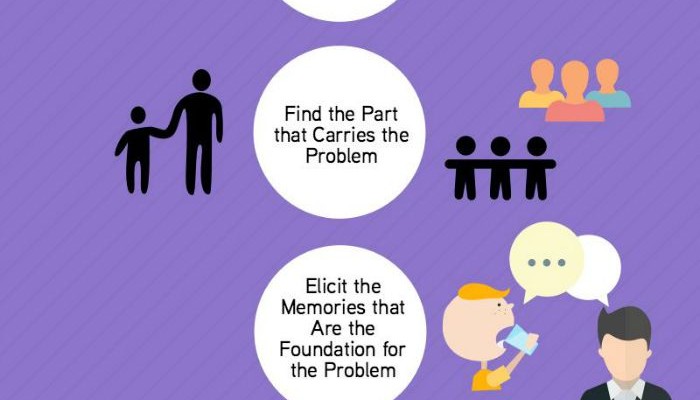
Parts work and parts psychology is an innovative trauma treatment that heals painful memories by working with subpersonalities (parts). Dr. Jay Noricks explains how parts psychology differs from IFS, the 4-step protocol (define problem, find the part, elicit memories, neutralize pain), treating DID clients, and why visualization, not talk therapy, neutralizes trauma memories. Extremely efficient: average 20 sessions.
Battered Women’s Protective Strategies – Book Review
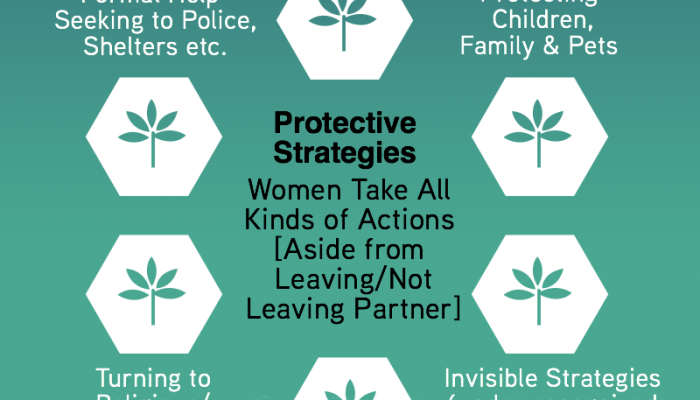
Do you work with women who are physically abused and wonder how best to help them? Contrary to public opinion and the views of many domestic violence agencies, leaving the batterer is not necessarily the only or best solution available to intimate violence survivors. Sherry Hamby proposes in her book: Battered Women’s Protective Strategies, an […]
