• About
    • About Blog
    • Dorlee Michaeli, MBA, LCSW
    • Privacy Policy
    • Disclaimer
  • Praise
    • Testimonials from Clients and Supervisors
    • What Readers Say
  • Blog
    • Social Work Career
    • Clinical Practice
    • LMSW Exam
    • Professional Development
    • Personal Growth
    • Blog Index
  • Contact

SocialWork.Career

Social Work Career Development Resources and More

  • Social Work Career
    • Job Seeking
    • Career Guidance
    • Grad School
  • Clinical Practice
    • Clinical Skills
    • Macro Practice
  • LMSW Exam Guide
  • Professional Development
    • Expert Interviews
    • Book Reviews
  • Free Mental Health Webinars
  • Personal Growth
    • Motivational
    • Self Care
    • Therapy

Got Triggered by Client in Therapy? Use Coping Tools!

By Dorlee

Triggered in Therapy? 4 Resources To Cope & Be Effective Are you a social worker or other mental health professional who occasionally experiences some reactions or countertransference when working with a particular client? Would you like to have some tools to help you avoid getting triggered while in session? Lisa Schwarz, M.Ed. and Ron Schwenkler […]

Filed Under: Clinical Skills, Social Work, Therapeutic Skills, Workshop Learnings Tagged With: clinical social work, comprehensive resource model, CRM, survival terror, therapy, trauma

The Neurobiology of Trauma: Core Principles of Trauma-Informed Care [3 of 3]
By Dorlee

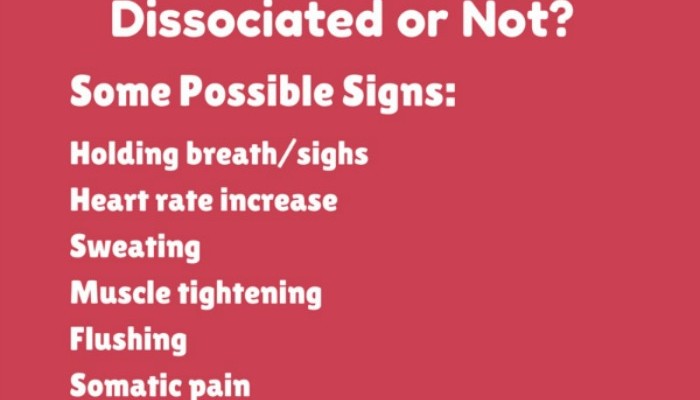
How does trauma impact the brain and body, and what can you do to counteract its effects? Understanding the neurobiology of trauma is essential for effective treatment. Trauma can change your brain structure and alter your cells—when your body cannot process trauma, it gets expressed physically. This post explores the neurobiology of trauma, covering the four brain areas affected (brain stem, hippocampus, amygdala, frontal cortex), two stress response systems (hyperarousal and dissociation), and emotional dysregulation. Discover the neurobiology of trauma behind “neurons that fire together, wire together” and learn practical techniques to help clients repair their brains: strengthening family connections, building emotional regulation through breathwork and mindfulness, and understanding how naming emotions disrupts emotional responses in the brain. Part 3 of trauma-informed care series. See Part 1 for core principles and Part 2 for effective trauma treatments.

Filed Under: Clinical Skills Tagged With: clinical social work, conference, mental health, trauma-informed care

The DSM-5 and Problem Gambling

By Dorlee

How to Use DSM-5 to Diagnose Individuals with Problem Gambling Do you work with individuals who have a gambling or other type of addiction? Would you like to know how the DSM-5 has impacted addiction definition and treatment? This post will provide you with four excellent webinars (and two presentations) to get you up-to speed […]

Filed Under: Clinical Skills Tagged With: DSM 5, DSM changes, DSM V, gambling

Core Principles of Trauma-Informed Care: Key Learnings [2 of 3]
By Dorlee

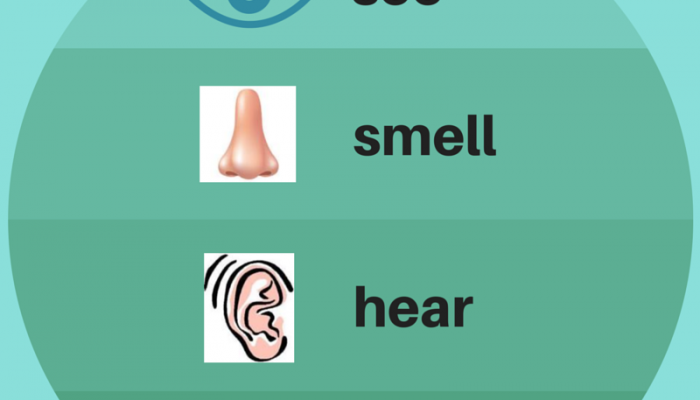
Grounding exercise to use as part of effective trauma treatments

Looking for effective trauma treatments? This comprehensive guide explores evidence-based approaches including Narrative Exposure Therapy (NET), EMDR, yoga, drama therapy, and movement therapy. Learn the complete NET process where clients construct a chronological life narrative using flowers for positive events and stones for trauma. Discover Psychological First Aid principles (safety, efficacy, calmness, connectedness, hope) and a simple grounding exercise you can use immediately. Part 2 of a 3-part series on trauma-informed care from NYU’s conference covers effective trauma treatments proven to help clients heal. See Part 1 for core principles of trauma-informed care and Part 3 for neurobiology.

Filed Under: Clinical Skills Tagged With: Carol Tosone, conference, EMDR, eye movement desensitization and reprocessing, grounding, Narrative Exposure Therapy, NET, PFA, Psychological First Aid, trauma treatment, trauma-informed care

Confused by DSM-5? Get Up to Speed!

By Dorlee

Got DSM-5? Watch These Free Webinars! Are you having trouble wrapping your head around all the changes from DSM IV-TR to DSM V? No worries. This post will provide you with some excellent handouts, presentations and webinar recordings to help you feel on top of this material. After many years of negotiation and controversy, the […]

Filed Under: Clinical Practice, Clinical Skills Tagged With: DSM 5, DSM changes, DSM V

  • « Go to Previous Page
  • Page 1
  • Page 2
  • Page 3
  • Page 4
  • Page 5
  • Go to Next Page »

Subscribe


Dorlee Michaeli, MBA, LCSW

Featured

Interviewed

inSocialWork

Let’s Also Connect

Recent Posts

  • Imposter Syndrome in Social Work: Why It Shows Up & What Helps
  • Free Mental Health Webinars, December 2025
  • #StandWithAAPI: Anti-Asian Racism Resources for Social Workers and Therapists
  • Best in Mental Health for Sept and Oct 2020
  • Best in Mental Health for August 2020

Copyright

All material on this website is copyrighted by Social Work Career. All rights reserved. Please contact the editor for permission to reproduce or reprint any materials on this site.

Recent Comments

  • Dorlee on Imposter Syndrome in Social Work: Why It Shows Up & What Helps
  • Cheryl Edwards on Imposter Syndrome in Social Work: Why It Shows Up & What Helps
  • Dorlee on Imposter Syndrome in Social Work: Why It Shows Up & What Helps
  • Jonathan Singer on Imposter Syndrome in Social Work: Why It Shows Up & What Helps
  • Dorlee on Imposter Syndrome in Social Work: Why It Shows Up & What Helps

National Hotline

Social Work Career does not provide crisis or counseling services. If you need to talk or are concerned about someone else, please call 988. If someone is in immediate crisis, dial 911.

Search

Archives

Categories

Social Work Career · Copyright © 2026 · WordPress · Log in