• About
    • About Blog
    • Dorlee Michaeli, MBA, LCSW
    • Privacy Policy
    • Disclaimer
  • Praise
    • Testimonials from Clients and Supervisors
    • What Readers Say
  • Blog
    • Social Work Career
    • Clinical Practice
    • LMSW Exam
    • Professional Development
    • Personal Growth
    • Blog Index
  • Contact

SocialWork.Career

Social Work Career Development Resources and More

  • Social Work Career
    • Job Seeking
    • Career Guidance
    • Grad School
  • Clinical Practice
    • Clinical Skills
    • Macro Practice
  • LMSW Exam Guide
  • Professional Development
    • Expert Interviews
    • Book Reviews
  • Free Mental Health Webinars
  • Personal Growth
    • Motivational
    • Self Care
    • Therapy

Core Principles of Trauma-Informed Care: Key Learnings [1 of 3]

By Dorlee

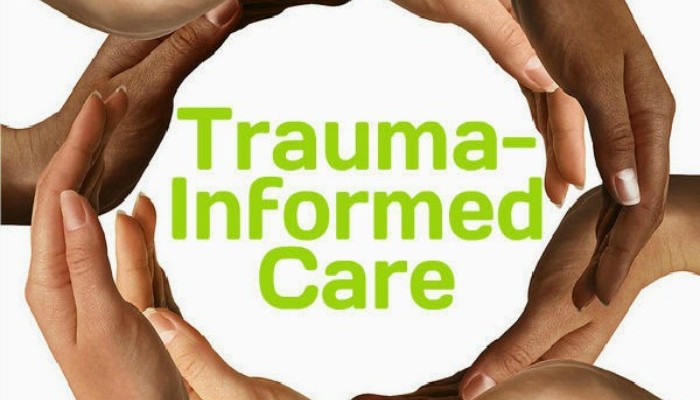
Diverse hands forming a supportive circle representing the principles of trauma-informed care

What is trauma-informed care and why do we need it? With 90% of behavioral health clients having experienced trauma, understanding trauma-informed care principles is essential for all helping professionals. This post explores the core principles (safety, trustworthiness, choice, collaboration, empowerment) and 7 domains of trauma-informed care based on NYU’s conference. Includes powerful insights from trauma survivor and therapist Nelba Marquez-Greene, who shares what actually helps trauma survivors—from practical support to avoiding voyeuristic curiosity. Part 1 of a 3-part series covering trauma-informed care essentials, evidence-based practices, and neurobiology.

Filed Under: Clinical Skills, Workshop Learnings Tagged With: clinical social work, conference, mental health, trauma-informed care

Can Hypnosis Be Used As a Therapeutic Tool?
By Dorlee

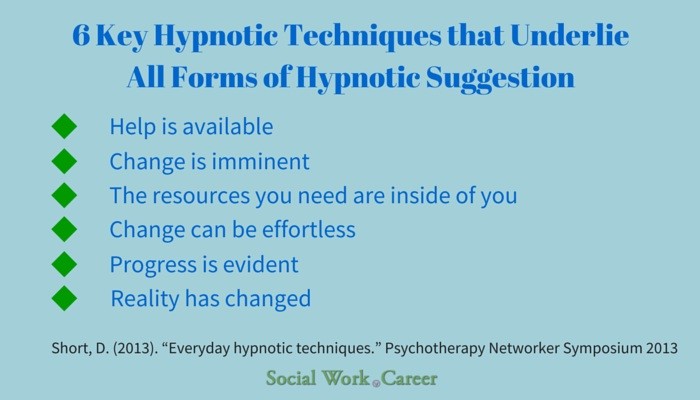
Dan Short, Ph.D. Hypnosis can be an effective modality with a variety of symptoms such mood regulation, panic attacks, pain management and smoking cessation. As per Dan Short, Ph.D., therapeutic hypnosis is a “collaborative exploration of possibility, as previously unrecognized resources and potentials are brought to awareness.” The primary objective of therapeutic hypnosis is for the benefit of a […]

Filed Under: Clinical Skills, Social Work, Therapeutic Skills, Workshop Learnings Tagged With: clinical social work, hypnosis, psychotherapy

The Art of Self-Disclosure in Therapy

By Dorlee

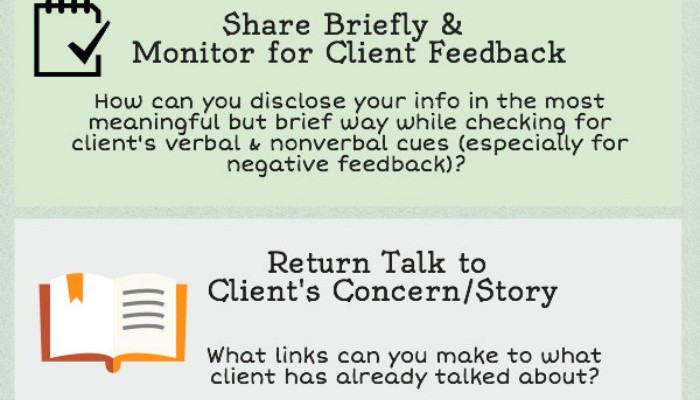
Graphic describing therapists' self-disclosure in therapy

Quick Answer: What Is Self-Disclosure in Therapy & When to Use It Self-disclosure in therapy is when a therapist shares personal information, experiences, or reactions with a client. While we’re always disclosing through our office décor, clothing, and responses, intentional disclosure requires careful consideration. When Self-Disclosure Is Helpful Building therapeutic alliance – Research shows 30% […]

Filed Under: Clinical Skills, Featured Education & Training, Social Work, Therapeutic Skills Tagged With: Janine Roberts, self-disclosure, therapy

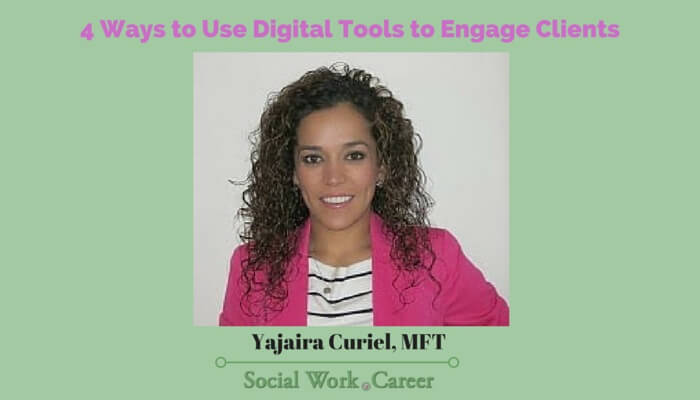
4 Ways to Use Digital Tools to Engage Clients
By Dorlee

Are you looking for some innovative ways to connect with your clients? You might want to consider employing technology to facilitate engagement with some of your clients. Yajaira Curiel, MFT shared some simple low-tech illustrations of how she has done this in her practice at a presentation she gave called “Digital Tools for Healing.”   […]

Filed Under: Clinical Skills, Social Work, Therapeutic Skills, Workshop Learnings Tagged With: engaging clients, technology, Yajaira Curiel

How to Increase Resilience

By Dorlee

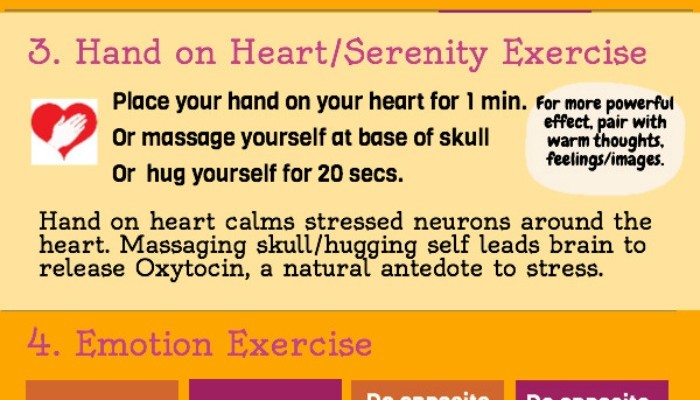
Infographic showing 5 ways to increase resilience: connect with caring friends, practice self-compassion, exercise regularly, savor positive moments, and try one new thing daily

Discover 5 easy ways to increase resiliency based on neuroscience: connect with supportive friends, practice self-compassion, exercise, savor positive emotions, and embrace new challenges. Learn how to find the gift in your mistakes and why our brains learn as much from failures as successes. Practical resilience-building techniques for mental health professionals and their clients.

Filed Under: Clinical Skills, Personal Growth, Self Care Tagged With: Linda Graham, neuroscience, resilience

  • « Go to Previous Page
  • Page 1
  • Page 2
  • Page 3
  • Page 4
  • Page 5
  • Go to Next Page »

Subscribe


Dorlee Michaeli, MBA, LCSW

Featured

Interviewed

inSocialWork

Let’s Also Connect

Recent Posts

  • Imposter Syndrome in Social Work: Why It Shows Up & What Helps
  • Free Mental Health Webinars, December 2025
  • #StandWithAAPI: Anti-Asian Racism Resources for Social Workers and Therapists
  • Best in Mental Health for Sept and Oct 2020
  • Best in Mental Health for August 2020

Copyright

All material on this website is copyrighted by Social Work Career. All rights reserved. Please contact the editor for permission to reproduce or reprint any materials on this site.

Recent Comments

  • Dorlee on Imposter Syndrome in Social Work: Why It Shows Up & What Helps
  • Cheryl Edwards on Imposter Syndrome in Social Work: Why It Shows Up & What Helps
  • Dorlee on Imposter Syndrome in Social Work: Why It Shows Up & What Helps
  • Jonathan Singer on Imposter Syndrome in Social Work: Why It Shows Up & What Helps
  • Dorlee on Imposter Syndrome in Social Work: Why It Shows Up & What Helps

National Hotline

Social Work Career does not provide crisis or counseling services. If you need to talk or are concerned about someone else, please call 988. If someone is in immediate crisis, dial 911.

Search

Archives

Categories

Social Work Career · Copyright © 2026 · WordPress · Log in