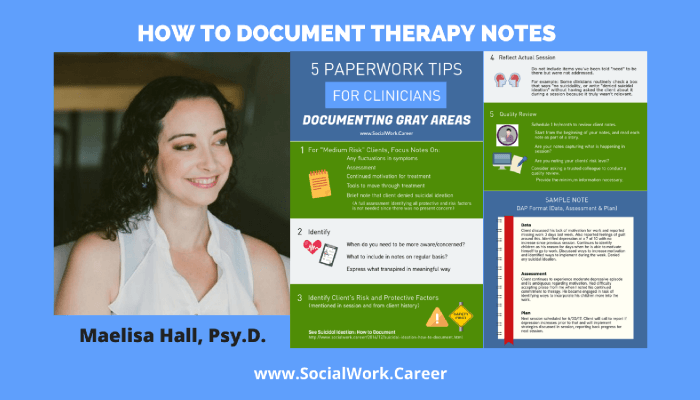
Not every therapy client is high-risk or worry-free—most fall somewhere in between. These “medium risk” situations include ongoing depression, self-harm behaviors without suicidal intent, impulsivity, and substance use. They require consistent assessment but don’t typically warrant hospitalization. The challenge? Knowing what to document and how often. This guide provides five practical tips from clinical documentation expert Maelisa Hall for managing therapy notes with medium risk clients. You’ll learn how to identify what’s truly relevant to document (without writing excessive notes), see a real DAP note example for a client with moderate depression, and discover why reviewing your documentation monthly can transform your practice. Whether you’re a new clinician or experienced therapist, these strategies help you create meaningful, legally sound therapy notes without burning out on paperwork
Solution Focused Therapy: Key Principles and Case Example
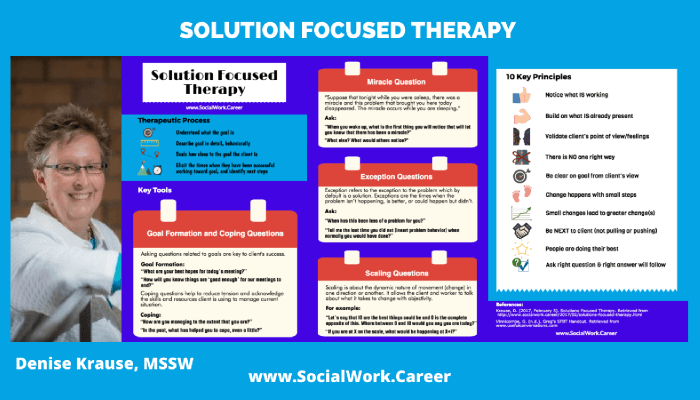
What is Solution Focused Therapy and how can it help your clients get unstuck? This comprehensive interview with Professor Denise J. Krause explores Solution Focused Therapy (SFT), an evidence-based practice equally effective as motivational interviewing. Learn the key Solution Focused Therapy techniques including the miracle question, scaling questions, exception questions, and goal formation. Discover how Solution Focused Therapy focuses on what IS working rather than problems, positioning clients as experts in their own lives. Includes a detailed case example applying Solution Focused Therapy to help a client struggling to find employment, plus the 10 essential principles every clinician should know. Solution Focused Therapy is particularly useful for “resistant” clients and can be applied in every modality, setting, and presenting problem.
Suicidal Ideation: How to Document
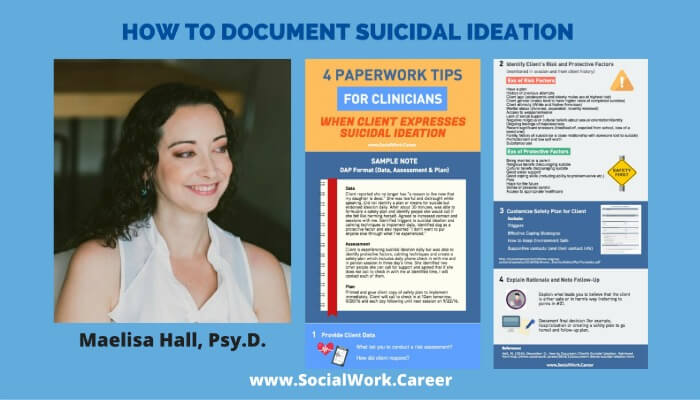
When a client expresses suicidal ideation, documentation becomes crucial but also anxiety-inducing for many clinicians. Learn the four key components of effective suicide risk assessment documentation: providing clear client data with exact quotes, identifying risk and protective factors, creating safety plans (not contracts), and explaining your clinical rationale. This guide includes a sample progress note using the DAP format and best practices for follow-up documentation. Whether you’re a new clinician or experienced practitioner, these principles will help you create ethically sound documentation that protects both you and your clients while improving clinical practice.
Real World Clinical Social Work: 7 Career Tips
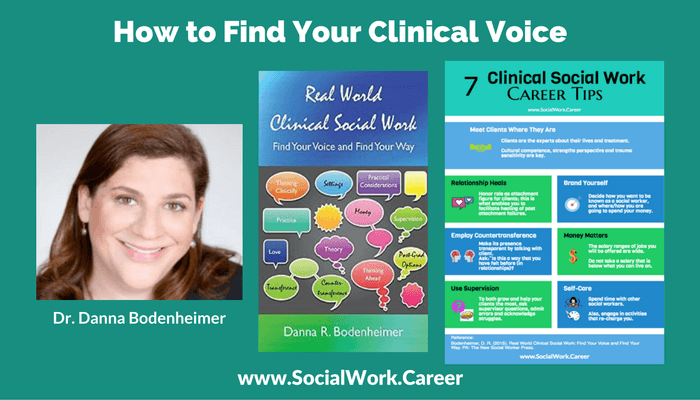
Essential clinical social work career tips from Dr. Danna Bodenheimer’s book “Real World Clinical Social Work: Find Your Voice and Find Your Way.” Dr. Bodenheimer, educator, psychotherapist, and head of Walnut Psychotherapy Center (trauma-informed outpatient setting specializing in LGBTQ treatment), wrote this book specifically to help new social workers feel more prepared as they leave graduate school and take on their first post-graduate position. The book’s five sections cover thinking clinically, getting your theoretical groove on, practical considerations, practice matters, and thinking ahead—nearly every clinical social work topic of concern before taking your first position including salary, setting choice, supervision use, key theories, case conceptualization, social work lens, and post-graduate options. Seven key takeaways include: (1) Meet clients where they are—they’re experts about their lives; cultural competence, strengths perspective, trauma sensitivity are key, (2) Relationship heals—honor your role as attachment figure, (3) Employ countertransference—make its presence known transparently for emotionally corrective experiences, (4) Use supervision—ask questions, admit mistakes, acknowledge struggles to grow, (5) Brand yourself—decide how you want to be known and where to spend continuing education money, (6) Money matters—don’t take salary below what you can live on; first job sets bar for subsequent salaries, (7) Self-care—spend time with other social workers, do low-cost recharging activities. Includes author interview discussing abundance/scarcity themes, financial freedom realities, geographic variations in career advancement, and agency culture challenges.
How to Help Victims of Intimate Partner Violence
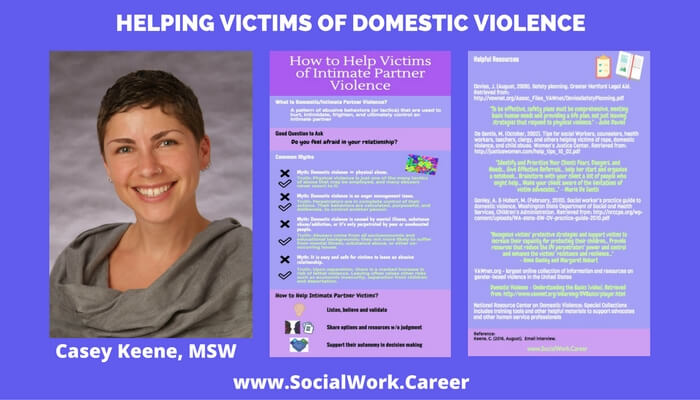
Expert guidance on how to help victims of domestic violence from Casey Keene, Director at National Resource Center on Domestic Violence. Learn why many victims don’t identify as abused and the best screening question: “Do you feel afraid in your relationship?” Key myths debunked: domestic violence isn’t always physical, it’s not an anger issue (perpetrators are in complete control), and leaving is the most dangerous time. Three ways to help: (1) listen, believe, validate, (2) share resources without judgment, (3) support autonomy. Casey’s top tip: Believe her/him/them. Includes five best resources including VAWnet.org and free training module.
