What is trauma-informed care and why do we need it? With 90% of behavioral health clients having experienced trauma, understanding trauma-informed care principles is essential for all helping professionals. This post explores the core principles (safety, trustworthiness, choice, collaboration, empowerment) and 7 domains of trauma-informed care based on NYU’s conference. Includes powerful insights from trauma survivor and therapist Nelba Marquez-Greene, who shares what actually helps trauma survivors—from practical support to avoiding voyeuristic curiosity. Part 1 of a 3-part series covering trauma-informed care essentials, evidence-based practices, and neurobiology.
Dare to Go For All of Your Dreams!

The Fear of New Beginnings Do you feel a bit anxious or worried, Right before you’re going to try something new? It is totally normal, you see, Our brain interprets novel activities, Such as our reaching for new goals, As mistakes and/or possible threats! Your brain sends out danger alert messages, Throughout your body, You […]
Parts Work & Parts Psychology: A Guide to Trauma-Based Treatment
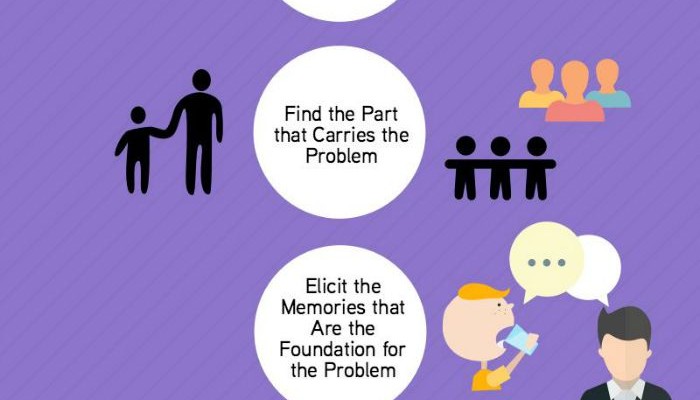
Parts work and parts psychology is an innovative trauma treatment that heals painful memories by working with subpersonalities (parts). Dr. Jay Noricks explains how parts psychology differs from IFS, the 4-step protocol (define problem, find the part, elicit memories, neutralize pain), treating DID clients, and why visualization, not talk therapy, neutralizes trauma memories. Extremely efficient: average 20 sessions.
Battered Women’s Protective Strategies – Book Review
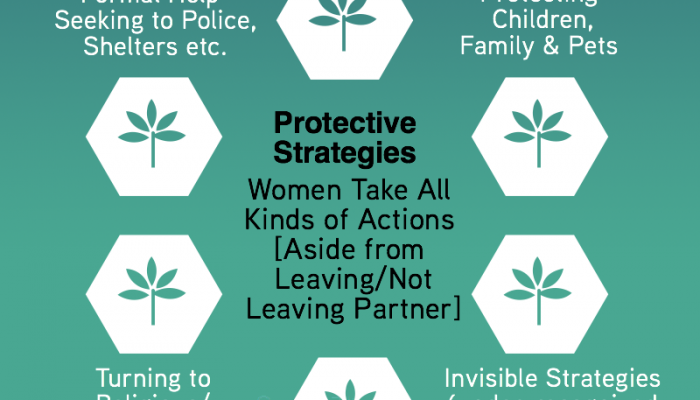
Do you work with women who are physically abused and wonder how best to help them? Contrary to public opinion and the views of many domestic violence agencies, leaving the batterer is not necessarily the only or best solution available to intimate violence survivors. Sherry Hamby proposes in her book: Battered Women’s Protective Strategies, an […]
Got LMSW Exam Anxiety? 4 Strategies + 10 Practice Questions

Are you feeling a bit anxious about your upcoming LMSW exam? You are not alone… Many of us feel this way whether we end up taking the licensure test right after we graduate or do so years later. What can you do to feel less anxious about the test? Prepare for the exam: As Alexander […]
